


 Français
 Español
 русский

Home / News / Industry News / Tractor Bed Former Guide: Sizing, Setup and Buying Tips for Raised Beds
Tractor Bed Former Guide: Sizing, Setup and Buying Tips for Raised Beds
Content
- 1 What a Tractor Bed Former Actually Does
- 2 Sizing the Bed Former to Your Tractor
- 3 Sidetype and Plowtype Formers: Which One Fits the Field
- 4 Seedbed Preparation Before the Bed Former
- 5 Setup, Soil Moisture and Pass Order
- 6 Buying Checklist and What to Confirm With the Manufacturer
- 7 Frequently Asked Questions
A 60 horsepower tractor pulling a bed former through tilled loam at 4 to 6 km/h leaves a firm, level crest in a single pass. Run the same implement too fast, or on ground that was never tilled, and the shoulders collapse, the crest wanders and the planter spends the season chasing a moving target.
Most crooked raised beds are not a machine defect. They come from three fixable mistakes: forming before the soil has been broken down, sizing the implement wider than the tractor can pull at working depth, and forming at a moisture level where soil smears instead of holding shape.
Get those three under control and the bed former becomes the cheapest consistency tool on the farm. Bed spacing, height and shoulder angle stay identical from the first row to the last, which is exactly what seed depth and irrigation design depend on.
A bed former is not a ridger. A ridger pushes soil into a heap; a bed former cuts, lifts, mixes and presses soil into a controlled cross section with a defined top width, shoulder slope and height.
What a Tractor Bed Former Actually Does
A tractor bed former is a mounted implement that gathers tilled soil, shapes it into a raised bed of set top width and height, and firms the crest in one pass behind the tractor.
Definition: a tractor bed former is tractor-mounted land preparation equipment that forms raised beds by collecting loosened soil, shaping the bed profile with adjustable boards or blades, and firming the surface with a rear roller or press plate.
Working parts and what each one controls
- Frame and three-point hitch: carry the forming load and set the working depth of the whole machine.
- Shaping boards or rotary blades: decide how much soil moves inward and how steep the shoulders end up.
- Rear roller or press plate: firms the crest so seed lands at an even depth instead of sinking into loose soil.
- Adjustable wings or deflectors: set the finished top width and the furrow spacing between neighbouring beds.
Because the implement works on already-loosened soil, it normally runs last in the land preparation sequence, after ploughing or discing and after one pass of rotary tillage. In paddy regions the same family of implement is usually sold as a bund former or ridge forming machine, where the formed ridge also separates irrigation blocks.
Sizing the Bed Former to Your Tractor
A bed former should be sized by the volume of soil it moves per metre of bed, not by bed width alone; on tilled loam a 45 to 60 hp tractor comfortably handles a single bed of roughly 0.8 to 1.0 m top width in one pass.
| Bed top width | Bed height | Tractor power | Passes |
| 0.6 to 0.8 m | 15 to 20 cm | 35 to 45 hp | 1 |
| 0.8 to 1.0 m | 20 to 25 cm | 45 to 60 hp | 1 |
| 1.0 to 1.2 m | 25 to 30 cm | 60 to 80 hp | 1 to 2 |
| 1.2 to 1.5 m | 30 to 35 cm | 80 to 110 hp | 1 to 2 |
| Above 1.5 m | 35 cm and up | 110 hp and up | 2 or a multi-bed frame |
If the tractor drops below 3 km/h or the engine pulls down halfway along the bed, the implement is too wide for the soil condition, not for the tractor on paper. Heavy clay and soil holding 25 percent or more moisture both increase draft sharply, and both are common reasons a machine that looked correctly sized in a catalogue struggles in a real field.
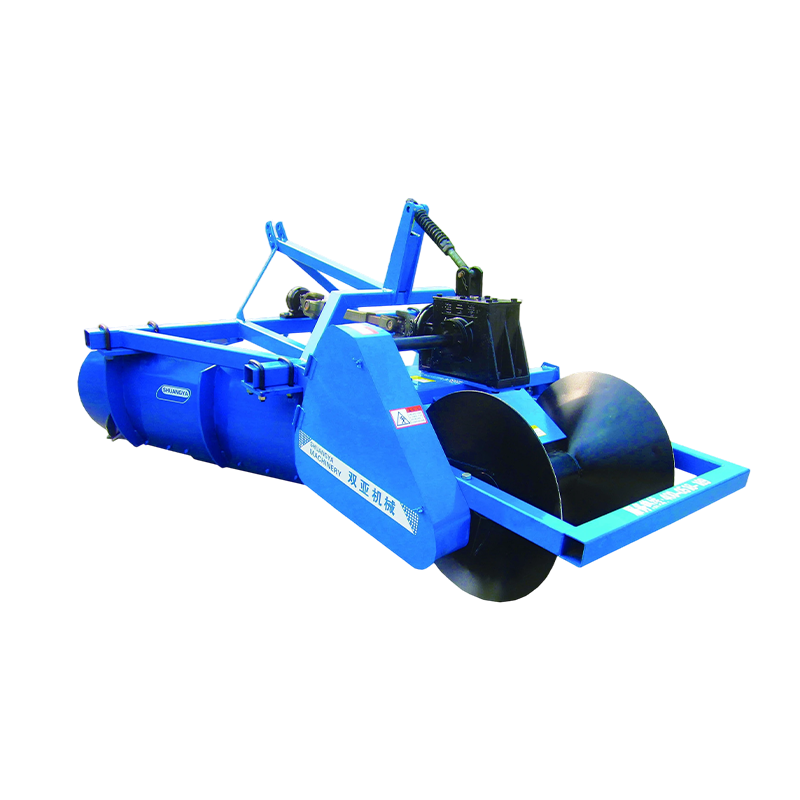
Pass-built machines are worth knowing about. A sidetype frame such as the 1ZGD sidetype ridge forming machine runs offset from the tractor, throwing soil from one side while the wheels stay in the furrow, so the formed bed is never driven over and the shoulders stay intact.
 Side-Mounted Paddy Bund Former for Tractor Bund ConstructionTractor-mounted, 50–120 HP side unit that gathers, shapes, and compacts soil into 26 cm paddy bunds along edges and terraces.View Product →
One pass sets the bed. Every later pass only repairs what the first pass got wrong.
Sidetype and Plowtype Formers: Which One Fits the Field
Sidetype formers work from an offset frame and move soil in from one side, while plowtype formers lift and turn soil from depth into the bed; the right choice depends on compaction, residue load and how much soil must be moved.
-
Sidetype ridge forming
- Best where the bed line follows a ditch, a field edge or a fixed irrigation layout.
- Soil is thrown from one side, so the operator can see the offset and correct it early.
- Pairs well with a single rotary tillage pass on already-worked ground.
- Requires enough offset that the tractor never runs on the freshly formed crest.
-
Plowtype ridge forming
- Lifts soil from depth rather than scraping the surface layer into a heap.
- Handles compacted ground and heavier residue loads more predictably.
- Draws more horsepower, so sizing up the tractor is often unavoidable.
- Produces a firmer core that holds its shape longer after heavy rain.
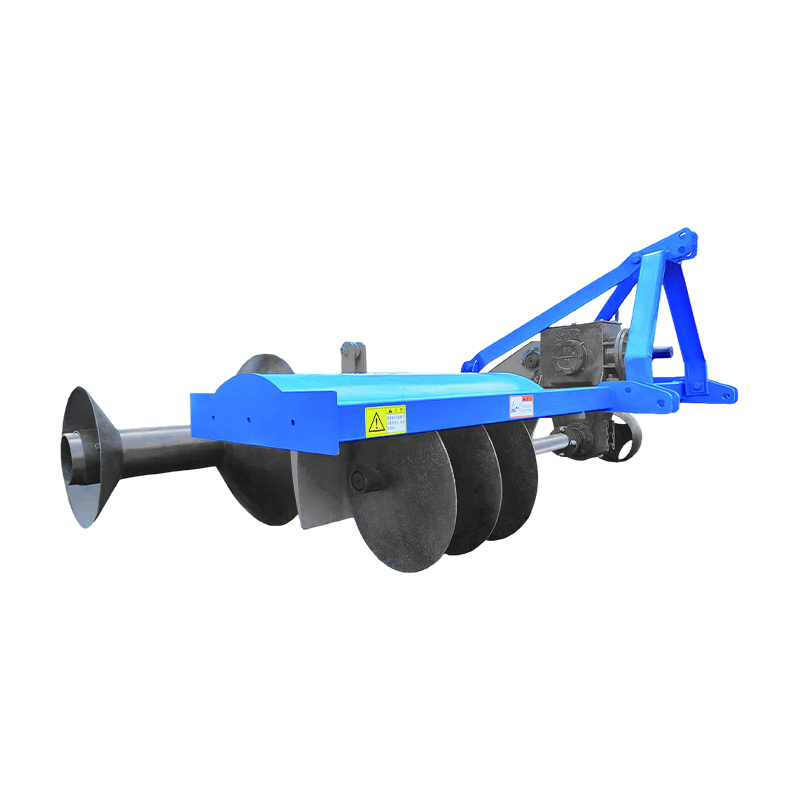
Where soil is loose, dry and free of long straw, the sidetype approach usually wins on fuel and speed. Where the field has been in continuous cropping for years and a hard layer sits 15 to 20 cm down, a plowtype machine such as the 1ZGS plowtype ridge forming machine gives the bed a denser body instead of a surface shell.
 Plow-Type Paddy Bund Former for Small and Hilly FieldsTractor-mounted plowshare former for 50–120 HP builds 30 cm high, 30 cm top width bunds in small, scattered, hilly paddy plots.View Product →
Choose by soil condition first, bed width second, and price third. A cheap former that cannot hold a crest costs more than the beds it ruins.
Seedbed Preparation Before the Bed Former
Beds formed on untilled soil will not hold shape, so the working sequence is primary tillage, one rotary tillage pass to break clods and mix residue, then forming in a single clean pass.
- Primary tillage Ploughing or discing at 18 to 25 cm removes the compaction layer before the former ever arrives.
- Rotary tillage A pass at 12 to 18 cm breaks clods and blends residue so the formed bed holds together.
- Residue load Long straw dragged under the shaping boards leaves hollows in the crest that dry out unevenly.
- Moisture check Form when a pressed handful of soil holds as a ball but crumbles when pushed with a thumb.
Tiller setup drives final bed quality more than most buyers expect. Working width that is too wide for the available power leaves the tilth coarse, and coarse tilth is what produces lumpy, unstable beds; this guide to matching rotary tiller width to PTO power covers the sizing side in detail. For fields that need a finer, more uniform tilth ahead of forming, a fullshaft rotary tiller such as the 1GK fullshaft rotary tiller is a practical match for a single-pass bed former.
 SUNYA Full-Width Rotary Tiller for Fine Seedbed TilthTractor-mounted rotary tiller with continuous rotor, 200–300 cm working width, and 70–150+ HP range for finer tilth before bed forming.View Product →
Nine out of ten bed forming complaints are really tillage complaints. Fix the tilth and the beds straighten out by themselves.
Setup, Soil Moisture and Pass Order
Setting up a bed former takes about fifteen minutes on flat ground and saves a full day of repairing beds later, so the sequence below is worth following in order.
- Set working depth first, usually 2 to 3 cm below the intended furrow bottom.
- Level the frame left to right on flat ground before entering the field.
- Adjust the shaping boards so the finished top width matches the planter or seeder that follows.
- Set roller or press plate pressure so the crest holds a boot print without pressing shiny.
- Enter at 3 to 4 km/h and increase speed only while the crest stays intact.
- Walk the first 50 m and check crest height, shoulder slope and furrow depth before continuing.
Moisture decides whether any of that work survives. Soil formed on the wet side of the plastic range slumps at the shoulders overnight and dries into clods the planter cannot close over; soil formed bone dry sheds off the shaping boards and leaves a low, rounded crest. Aim for the moisture band where a handful holds together and breaks apart cleanly under thumb pressure, and if rain is coming within 24 hours, wait.
Bed height loses 2 to 4 cm in the first serious rain on most soils, so forming slightly higher than the target is standard practice, not a mistake.
Buying Checklist and What to Confirm With the Manufacturer
Order a bed former the way you would order a plough: by measured field conditions, not by the widest model the supplier lists.
- 20,000 square meter factory
- 6 modern production lines
- 2,000 plus units a year
- 30 plus export markets
Manufacturing depth matters because formers take a beating at the shaping boards and the roller bearings. SUNYA Machinery builds land preparation equipment, including a bund former range with sidetype and plowtype ridge forming machines, and states a production setup covering cutting, welding, machining, coating and final assembly in house, with more than 20 engineers and technicians on the design side. For buyers ordering several units at once, that kind of internal capacity is what keeps a batch consistent from machine to machine.
- Bed geometry: top width, height, shoulder angle, and whether furrow spacing is fixed or adjustable.
- Tractor interface: hitch category, machine weight, and the power needed at working depth on your soil.
- Soil and residue conditions the machine will meet, including dryland or paddy use.
- Number of beds per pass if the frame carries more than one forming unit.
- Wear parts: shaping boards, blades, roller bearings and how quickly they ship.
- Documentation: recommended depth, working speed and linkage lift weight.
Ask for a working depth range and a working speed range in writing. If a supplier cannot state both, the machine has not been tested in real field conditions.
Buy the former that matches your soil and your tractor, then set it up carefully. Consistency in bed shape is worth more over a season than any single feature on the spec sheet.
Frequently Asked Questions
What is a tractor bed former used for?
It forms raised planting beds from tilled soil in one pass, setting the top width, height and shoulder slope so seed placement, drainage and irrigation stay consistent across a field.
How much horsepower does a bed former need?
Plan on 35 to 45 hp for a 0.6 to 0.8 m bed on tilled loam, 45 to 60 hp for 0.8 to 1.0 m, and 80 hp or more once the bed passes 1.2 m or the soil is heavy and wet.
Should beds be formed before or after rainfall?
Form after the soil has drained to the point where it crumbles instead of smearing. Beds shaped on wet soil slump at the shoulders and dry into hard clods that seeding equipment cannot close over.
Can one bed former make different bed widths?
Many designs let you reposition the shaping boards or wings, but the useful range is limited by frame width and available tractor power. One frame rarely covers narrow vegetable beds and wide field beds equally well.
Match the machine to the field, set it once on flat ground, and the rest of the season takes care of itself.

We Are Ready to Support Your Agricultural Machinery Needs
Share your requirements and we will contact you shortly with a tailored solution and professional quotation.
Copyright © Jiangsu SUNYA Machinery Ltd. All rights reserved.
 Agricultural Tillage Equipment Manufacturers in China