


 Français
 Español
 русский

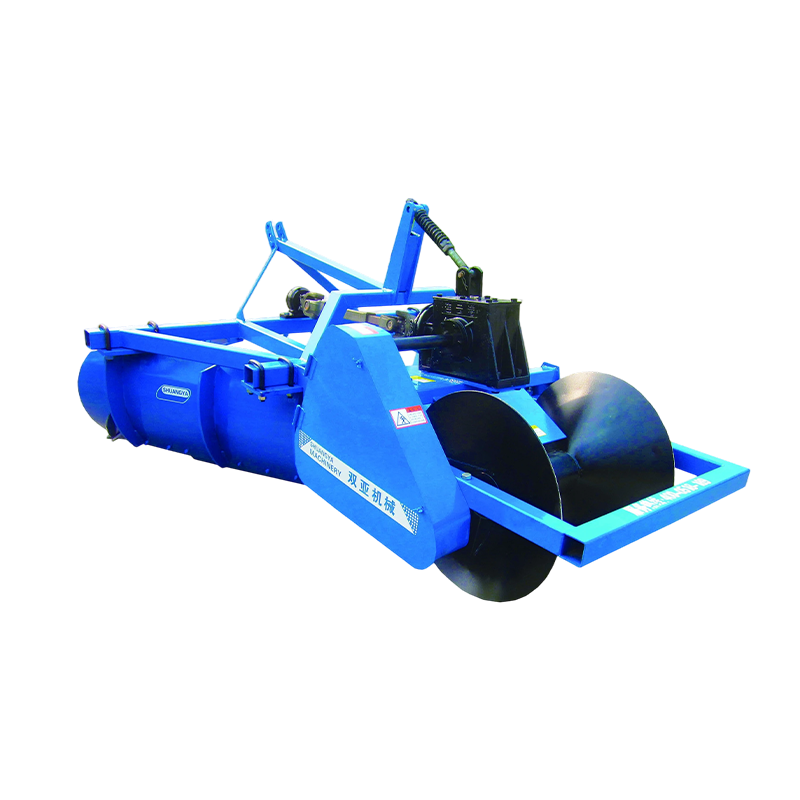
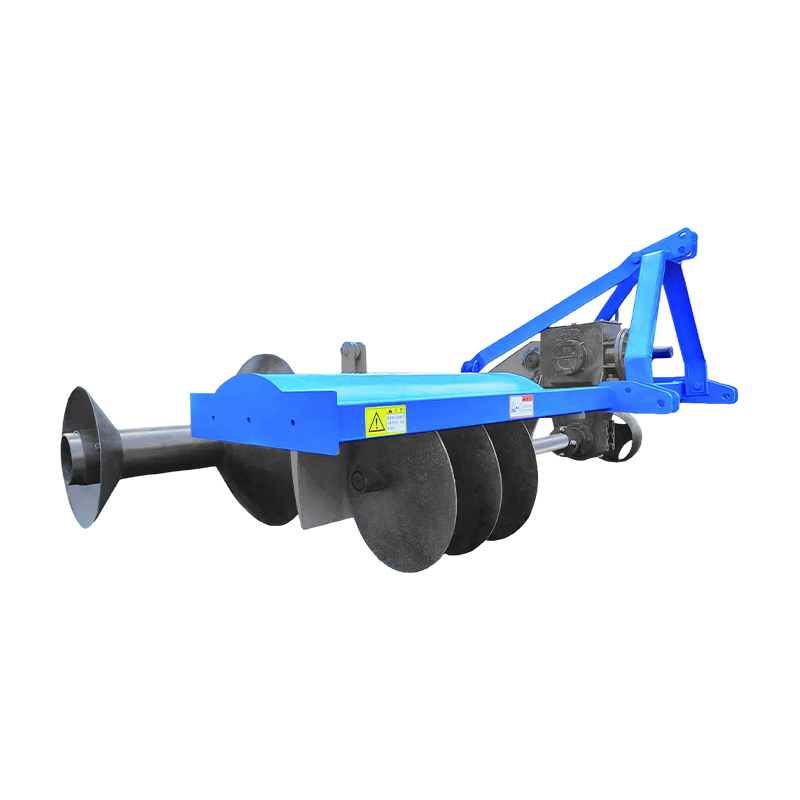


Jiangsu SUNYA Machinery Ltd. manufactures tractor-mounted bund formers for paddy field preparation and dry-field ridge building. Our range covers two working principles: the plow-type machine that gathers soil inward with plowshares, and the side-mounted machine that gathers soil with a rotary or disc unit along one field edge. Both are three-point hitch implements driven by the tractor PTO and sized for 50–120 HP tractors. As a Bund Former manufacturer, we supply complete machines, replaceable wear parts and OEM configurations from our factory in Jiangsu, China.
- Plow-Type Paddy Bund Former (1ZGS) — plowshare soil gathering, lightweight structure, approximately 30 cm bund height and 30 cm top width.
- Side-Mounted Paddy Bund Former (1ZGD) — offset rotary/disc gathering, approximately 26 cm bund height and 26 cm top width.
- Shared platform — three-point hitch mounting, PTO drive, 37–89 kW (50–120 HP) tractor envelope, in-house manufacturing and export packing.
What a Bund Former Does in Paddy and Dry-Field Work
Paddy bunds hold irrigation water, keep fertilizer inside the plot and separate management zones. Building and repairing them by hand consumes labour that most growers would rather spend on transplanting and harvesting. Our tractor bed former mechanize the three repetitive steps — soil gathering, shaping and compaction — in one continuous pass along the field boundary.
The implements also work beyond rice. Field-forming and maintenance tasks include:
- Ridge forming for dry-field crops such as corn and tobacco.
- Raising, widening and repairing existing field bunds before the next season.
- Shaping and maintaining the side slopes of irrigation channels and drainage ditches; deeper ditch profiles are handled by our Rotary Ditcher range.
- Creating uniform field edges so transplanters and harvesters track cleanly along the headland.
Our Bund Former Range at a Glance
| Model | Soil-gathering principle | Tractor power | Bund height / top width | Machine weight | Best-fit fields |
|---|---|---|---|---|---|
| Plow-Type Paddy Bund Former (1ZGS) | Plowshares draw edge soil inward; forming and pressing components compact it | 37–89 kW / 50–120 HP | Approx. 30 cm / 30 cm | 500 kg | Small paddy plots, scattered hilly parcels, routine bund repair |
| Side-Mounted Paddy Bund Former (1ZGD) | Side-mounted rotary/disc unit collects soil; shaping and compacting unit forms the crest | 37–89 kW / 50–120 HP | Approx. 26 cm / 26 cm | 300 kg | Terraced and irregular plots, long field edges, existing bund repair |
Plow-Type Paddy Bund Former
A three-point hitch, PTO-driven implement with a plowshare-type soil-gathering structure. As the tractor moves forward, the plowshares move edge soil toward the bund line, where forming and pressing components build a firm, uniform profile. The simple mechanical layout suits small paddy fields and scattered plots where manoeuvrability matters more than working width.
Side-Mounted Paddy Bund Former
An offset configuration that combines a rotary or disc gathering mechanism with a shaping and compacting unit, working along one side of the tractor. The offset layout lets the machine run close to existing bunds, terraces and field boundaries without the tractor riding over the crest, which keeps finished bunds intact during repair work.
Soil, Moisture and Field Layout Considerations
Bund quality depends on how the soil behaves at the moment of forming. Clay and heavy wet soils compact into a dense crest but demand more pulling effort; sandy loam shapes quickly but benefits from a second pass to build stability. We match the gathering and compaction elements to the soil family you expect to work in most of the season.
- Work at field-capacity moisture where possible — dry, cracked soil does not bind, and standing water reduces crest firmness.
- Stone and heavy residue loads call for reinforced structures and a slower forward speed.
- Plot size, headland width and turning radius determine whether the plow-type or the offset side-mounted machine gives a cleaner finish.
- Slope and terrace height affect the working side and the amount of soil available along the boundary.
Tractor Matching, Hitch and Drive
Both models mount on a standard three-point hitch and take power from the PTO, which keeps installation simple and avoids a separate power unit. Before release we confirm the full tractor interface:
- Tractor power within the 37–89 kW (50–120 HP) working window and available lift capacity at the hitch.
- PTO speed and shaft length, including shear protection, with correct telescoping clearance on uneven ground.
- Hydraulic lift response and lowering control for consistent working depth.
- Tyre width and track setting, particularly for the offset side-mounted layout.
Bund Geometry, Compaction and Water Retention
A well-formed bund needs a firm crest, even height and consistent side slopes along its full length. Compaction discs and forming rollers press the gathered soil into a dense profile that resists water erosion, field traffic and animal damage, which in turn reduces leakage between plots and keeps fertilizer inside the managed area.
Top width, height and side slope are the three variables that decide whether the finished boundary works with your machinery fleet. Our proposal is based on the target profile, the available soil along the edge and the tractor you will use, so the bund suits the transplanters and harvesters that follow.
Manufacturing and Quality Control
Agricultural bed formers are built in a 20,000 m² facility with six energy-efficient production lines, from cutting and welding through machining, coating and final assembly. Annual output exceeds 2,000 complete machines, managed through ERP-based production planning so bulk orders hold a stable schedule.
- Full-process inspection at each production stage, with 100% final inspection before packing.
- Reinforced frames and thickened transmission components for heavy, high-frequency field use.
- Export-ready packaging and container loading planned against machine dimensions and order mix.
- Patent portfolio, National High-Tech Enterprise status and a provincial postgraduate R&D station supporting continuous product upgrades.
- Standard mechanical parts — blades, harrow tines and bearings — manufactured in-house alongside complete machines.
Customization, OEM Development and Spare Parts
Many of our best-selling overseas models began as customer-specific designs. We develop from drawings or samples, and the customization scope covers working width, working depth, blade shaft and blade angle, gearbox ratios, reinforced versions for harsh field conditions and localized adaptation to tractor power and local farming practice.
Our tillage and land-preparation programme extends beyond bund forming: the Rotary Tiller range covers primary and secondary cultivation ahead of bund construction, and puddlers handle final field levelling before transplanting. Distributors can order under their own branding with matching documentation.
Information We Use to Configure Your Solution
Send the following working details and we return a machine configuration, wear-part list and quotation rather than a generic offer:
- Tractor make, model, rated power, hitch category and PTO speed.
- Field size, shape, slope and whether the task is new bund construction or repair.
- Soil type, typical moisture at working time, stone and residue levels.
- Target bund height, top width and side slope.
- Seasonal area to be covered and the time window available.
- Destination port, order quantity and packaging requirements.
We reply within 12 hours on business days. Machines ship mainly by sea freight through Lianyungang Port, 50 km from our facility, with FCL and LCL options and air freight for urgent shipments. Our products reach more than 30 countries, including Russia, Indonesia, Brazil, Spain, Italy, South Korea, Australia and Canada.
Bund Former FAQs
Which tractors can operate a SUNYA bund former?
Both models work within a 37–89 kW (50–120 HP) range on a three-point hitch with PTO drive. We check your tractor's lift capacity, PTO speed and track setting before confirming the configuration.
What bund profile do the two models produce?
The plow-type machine forms bunds around 30 cm high with a 30 cm top width; the side-mounted machine forms around 26 cm high with a 26 cm top width. Forming components can be adapted within our customization scope when a project calls for a different profile.
Can a paddy bund former be used outside paddy fields?
Yes. The same implements handle ridge forming for dry-field crops such as corn and tobacco, raising and widening existing bunds, and shaping the side slopes of irrigation and drainage channels.
Do you supply wear parts and standard components?
We manufacture blades, harrow tines and bearings in-house, and supply replaceable parts with each order so maintenance does not depend on a separate sourcing cycle.
How is quality assured before shipment?
Every production stage is inspected, and all finished machines pass 100% final inspection against the confirmed specification. Machines are then packed in standardized export packaging and loaded with a container plan matched to the order.
What do you need to prepare a quotation?
Tractor details, field conditions, target bund dimensions and destination port are enough for us to propose a model, configuration and shipping arrangement.