


 Français
 Español
 русский


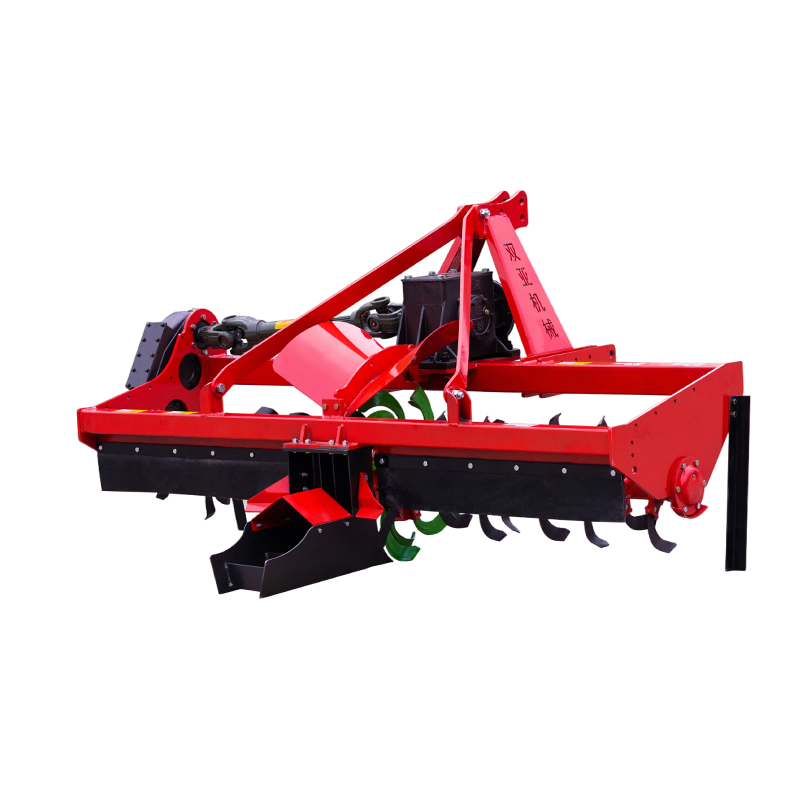
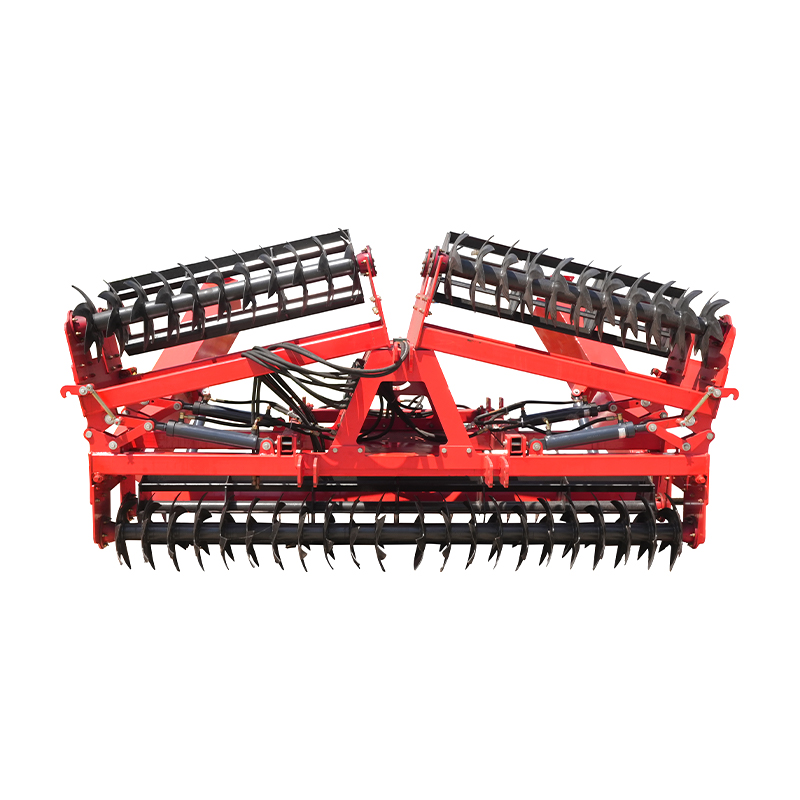


Jiangsu SUNYA Machinery Ltd. designs and manufactures tractor-mounted tillage, land preparation, farm Implement and seeding equipment. From a 20,000 m² plant with six production lines and an annual output of more than 2,000 machines, we complete cutting, welding, machining, painting and final assembly in-house. Established in 2010, our implements work in more than 30 countries, including Russia, Indonesia, Brazil, Spain, Italy, South Korea, Australia and Canada. As Farm Tillage Equipment Suppliers in China, we supply both catalogue models and OEM builds developed from customer drawings or samples.
Seven Implement Families for Paddy and Dryland Tillage
Rotary Tiller — Center-Drive and Full-Width
Three-point hitch and PTO-driven soil preparation for seedbeds and stubble mixing. Center-drive models suit lighter tractors; full-width models put power across the full working width for wide, level seedbeds. See the full Rotary Tiller range.
Paddy Puddler & Leveler — Full-Width, Two- and Three-Section Folding
Breaks down, puddles, incorporates straw and levels flooded paddy in a single pass, ahead of transplanting or direct seeding. Wide folding versions use hydraulic sections for large blocks and narrow transport. Details sit under Paddy Puddler & Leveler.
Bund Former — Plow-Type and Side-Mounted
Mechanized gathering, forming and compaction of paddy bunds using forming rollers or compacting discs. Adjustable bund width and height, and the same working elements can raise, widen or repair existing bunds and shape irrigation channel slopes.
Power-Driven Disc Plow
PTO-driven primary tillage for heavy, sticky and stubble-covered ground where a passive disc harrow only polishes and smears the surface. Suited to wet rice stubble and heavy clay before secondary cultivation.
Disc Plow & Rotary Tiller Combination
Primary and secondary tillage in one pass, reducing wheel traffic and passes over clod-prone, residue-heavy fields. Configured around the tractor's PTO power and the required finished tilth.
Tillage, Furrowing, Seed & Fertilizer Drill
A multi-function planting implement that prepares a strip, opens the furrow and places seed and fertilizer in one operation, with metering rates set by calibration. Explore the Tillage, Furrowing, Seed & Fertilizer Drill.
Rotary Ditcher — Offset Single-Side and Dual-Side Discharge
Power-driven trenching for farm drainage and irrigation channels, with discharge to one side or both sides depending on where the spoil is needed along the field edge.
Range, Field Function and Tractor Interface
| Implement family | Field function | Typical field fit | Mounting and drive |
|---|---|---|---|
| Rotary Tiller | Soil breaking, mixing, seedbed finishing | Paddy and dryland, single and double cropping | Three-point hitch, PTO |
| Paddy Puddler & Leveler | Puddling, straw incorporation, field leveling | Flooded paddy before transplanting or direct seeding | Three-point hitch, PTO; hydraulic folding on wide models |
| Bund Former | Bund construction, repair, ridge forming | Paddy boundaries; dryland ridges for corn and tobacco | Three-point hitch |
| Power-Driven Disc Plow | PTO-driven primary tillage in heavy soil | Wet rice stubble, heavy clay, high-residue fields | Three-point hitch, PTO |
| Disc Plow & Rotary Tiller Combination | Primary plus secondary tillage in one pass | Clod-prone and residue-heavy seedbeds | Three-point hitch, PTO |
| Tillage, Furrowing, Seed & Fertilizer Drill | Strip tillage, furrow opening, seed and fertilizer placement | Seeded and directly seeded cereal and row crops | Tractor-mounted, three-point hitch |
| Rotary Ditcher | Ditch and channel cutting with side discharge | Farm drainage, irrigation channels, field edges | Three-point hitch, PTO |
Matching the Implement to the Field and the Crop
Field condition decides the working element more than anything else. Heavy wet clay asks for driven tools that cut and lift soil, while light sandy loam and dryland seedbeds are usually handled with rotary or combined implements running at moderate depth.
Paddy preparation
For rice, the sequence usually runs rotary tillage, then flooding, then puddling and leveling. Rotary-till the field first, flood it and let the soil soak for about 48 hours, then drain until the water sits roughly 2 cm above the soil surface before puddling. At that water level the blades cut and mix the puddled layer evenly, and the rear leveling board or hydraulic leveling system produces the smooth surface that transplanters and direct seeders need. The puddling blades also cut, press and bury 30–45 cm of straw, residue and weeds into the puddled soil.
Dryland and mixed soil farming
Clay, sandy loam and heavy wet soils are all covered by the range, including ridge forming for dryland crops such as corn and tobacco, bund raising and widening, and slope shaping along irrigation and drainage channels. Where residue loads are high, the disc plow and rotary tiller combination keeps the number of passes down and leaves a finer tilth behind the primary tool.
Specifications We Confirm Before Building
- Working width, offset position and transport width, checked against row spacing, gate access and road limits.
- Tilling or puddling depth and the required finished seedbed.
- Tractor PTO power, hitch category and lift capacity at the mounting points.
- Gearbox and drive rating matched to the tractor, plus PTO speed and shaft guarding.
- Blade type, blade count and rotor layout for soil type and residue load.
- Hydraulic circuits available on the tractor for folding sections and hydraulic leveling.
- Bund width and height, or ditch profile and discharge side.
- Seed and fertilizer types with target application rates for drill calibration.
Configurations, Customization and Wearing Parts
Many models in our catalogue began as customer-specific builds. We adapt machine depth, power compatibility, blade configurations and structural parameters to local farming conditions, and develop new versions from drawings or samples. Working width, folding arrangement, leveling system and bund or ditch geometry are all open to configuration at the quotation stage.
We also manufacture standard components in the same plant, including blades, harrow tines and bearings. That keeps the wearing parts of a delivered machine tied to the same production and inspection process as the implement itself, and it makes repeat supply of consumables straightforward for distributors holding stock.
Quality Control and Pre-Shipment Acceptance
Quality management runs across the whole process rather than at the end of the line. Every production stage is inspected, and finished machines undergo 100% final inspection against the customer specification and the applicable standard. Welding, machining and painting are each checked by trained personnel, and key components are reinforced for wear resistance in heavy-duty, high-frequency operation.
Our engineering base includes a provincial postgraduate R&D station, joint agricultural technology development with universities, and a patent portfolio covering utility model, design and invention certificates. For project orders we agree the inspection points and the acceptance criteria with the customer before production starts, so that what leaves the plant matches what was ordered.
Installation, Commissioning and Operator Safety
- Mounting on the three-point hitch with correct top-link and lower-link adjustment for working angle.
- PTO shaft length check, guarding and slip protection fitted before first rotation.
- Rotor and blade clearance verified, with blade bolts torqued to specification.
- Hydraulic folding or leveling circuits bled and tested through full travel on the tractor.
- Leveling board height set to the required field finish; puddler operated at the recommended water depth.
- Seed and fertilizer metering calibrated on the drill to the required rate before field work.
- Ditcher discharge chute and shields in place, with the work zone kept clear during operation.
Maintenance, Spare Parts and Serviceability
Service points are arranged so that routine work can be done in the field with normal workshop tools: blade and tine replacement, rotor bearing inspection and lubrication, gearbox oil level checks, disc hub tightness, and metering roller inspection where abrasive fertilizer blends have been used. Worn blades are replaced in sets to keep the rotor balanced and the working depth even.
Blades, harrow tines and bearings come from our own production, which shortens the supply path for consumables and keeps replacement parts dimensionally consistent with the machine that was delivered. Order-specific information is kept on file so that later spare parts requests can be matched to the original configuration.
Information We Use to Configure Your Solution
| Information | What it determines in the build |
|---|---|
| Tractor model, PTO power, hitch category | Structural size, gearbox rating and drive layout |
| Field type, soil condition and cropping pattern | Choice between rotary, disc and puddling working elements |
| Residue load and straw length | Blade geometry and residue handling capacity |
| Required working width and transport width | Frame size, section count and folding arrangement |
| Tilling depth and target seedbed finish | Blade size, depth control and leveling board setting |
| Hydraulic circuits available on the tractor | Manual or hydraulic folding and leveling configuration |
| Seed and fertilizer type with target rates | Metering selection and calibration range on the drill |
| Bund section or ditch profile | Forming plates, compaction rollers, discharge side |
| Order quantity, destination and shipping mode | Production scheduling, packing and consignment plan |
Frequently Asked Questions
Which implements do you manufacture for tillage and land preparation?
We produce rotary tillers in center-drive and full-width versions, paddy puddlers and levelers in full-width and two- or three-section folding versions, plow-type and side-mounted bund formers, power-driven disc plows, disc plow and rotary tiller combinations, tillage, furrowing, seed and fertilizer drills, and single-side or dual-side discharge rotary ditchers.
Can you build to our drawings or a sample?
Yes. Custom production is a core part of our work, and a large share of the models we now build in series started as customer-specific development. We adapt depth, power compatibility, blade configuration and structural parameters, and we work from drawings, samples or a written description of the local farming conditions.
How do you match a machine to our tractor?
We start from the tractor's PTO power, hitch category and available hydraulic circuits, then set the working width, drive rating and folding arrangement to suit them. Working width relative to tractor size matters for gearbox life, so the recommendation is based on the drawbar and PTO load the tractor can sustain in the actual soil rather than on the widest possible frame.
What is the correct way to run a paddy puddler and leveler?
Rotary-till the field first, then flood it and allow the soil to soak for about 48 hours. Before working, drain until the water level is roughly 2 cm above the soil surface. Under those conditions the blades break and mix the puddled layer uniformly, bury 30–45 cm of straw and weeds, and the leveling board leaves a surface suited to transplanting or direct seeding.
Do you supply wearing parts and standard components?
We manufacture blades, harrow tines and bearings alongside complete machines, so replacement parts follow the same production and inspection route. Orders are recorded against the original machine configuration, which lets us match blade sets, tines and bearings to the delivered implement on later purchases.
How are orders shipped and settled?
Our plant is about 50 km from Lianyungang Port, so sea freight in FCL or LCL is the usual route, with air freight arranged for urgent shipments. Trade terms such as FOB or CIF are confirmed during quotation. For bulk production we normally work with a 30% advance and the balance against a copy of the bill of lading, mainly by T/T, with L/C terms open to discussion.